


Research
Garrison Institute on Aging (GIA) History and Research
The Garrison Institute on Aging (GIA), formerly known as the Institute for Healthy Aging, was established in 1999 by the Board of Regents to advance the Texas Tech University Health Sciences Center’s strategic priority in aging. The Institute was created as a collaborative initiative among the Schools of Allied Health, Medicine, Nursing, and Pharmacy to promote interdisciplinary excellence in aging research, education, and community engagement.
From 2000 to 2003, with the support of a $4.8 million grant from the U.S. Administration on Aging, GIA established its foundational goals, defined its mission, and built a strong interdisciplinary research framework. During this formative period, the Institute focused on developing sustainable infrastructure to support long-term growth in aging research and programs.
Today, GIA continues to expand its impact through innovative research and outreach initiatives. The Institute is dedicated to strengthening research capacity in Alzheimer’s disease and other neurodegenerative disorders of aging, advancing aging education and professional training for healthcare providers and students, and promoting healthy aging for older adults throughout the community.
Through collaboration, discovery, and service, GIA remains committed to improving the health and quality of life of older adults across Texas and beyond.
Today, the Garrison Institute on Aging (GIA) stands at the forefront of aging and neurodegenerative research at the Texas Tech University Health Sciences Center.
GIA is led by Volker Neugebauer, M.D., Ph.D., Professor and Chair of the Department of Pharmacology and Neuroscience. An internationally recognized expert in cognitive brain research, Dr. Neugebauer has spearheaded collaborative research initiatives and scholarly publications focused on neurodegenerative disorders, including Alzheimer’s and Parkinson’s diseases.
Under Dr. Neugebauer’s leadership, GIA has established strategic priorities designed to broaden the Institute’s scope to address the full spectrum of age-related health issues. To support this vision, GIA is strengthening collaboration across the institution and enhancing research infrastructure by:
- Expanding access to the brain bank
- Developing a state-of-the-art behavioral testing facility
- Supporting interdisciplinary research initiatives
Dr. Neugebauer has also launched bi-weekly Research Club meetings to advance ongoing research projects, foster collaboration, and create new opportunities for Project FRONTIER and other major research programs. In addition, he initiated a collaborative seminar series with Translational Neuroscience and Therapeutics to educate faculty, staff, and students on emerging trends and innovations in aging-related research.
Guided by Dr. Neugebauer’s direction, GIA faculty and staff remain committed to advancing the Institute’s mission and vision expanding knowledge of aging-related health conditions and promoting healthy aging through cutting-edge research, innovative interdisciplinary education, and meaningful community outreach and service.
GIA Lab Facilities
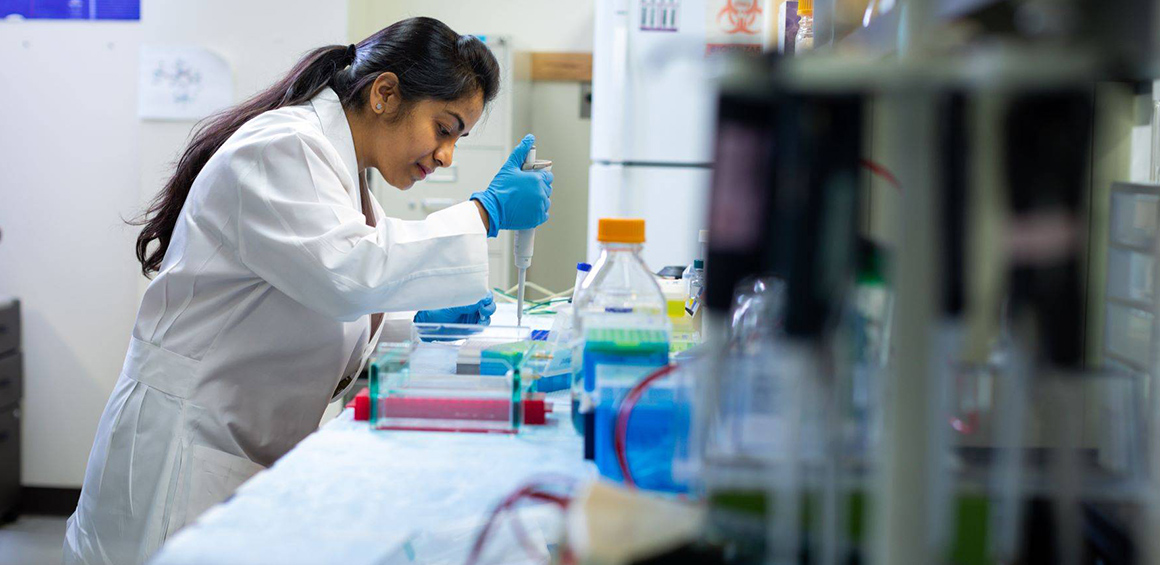
The GIA research laboratory hosts core facilities for use by GIA staff and collaborators.
Resources are intended to be shared to stimulate collaborations across the institution.
Molecular Biology and Tissue Culture Facilities
The molecular biology facility includes systems for measurement of protein, DNA, and
RNA, as well instruments for immunohistochemistry. Protein work is aided by an Azure
Biosystems c400 Imaging System, a BioTek Synergy H1 Hybrid 96-well Microplate Reader,
a Thermo Scientific Evolution 201 UV-Visible Spectrophotometer, a Fisher CL-18 sonicator,
a Thermo Scientific Thermal Mixer, an Eppendorf 5424R refrigerated centrifuge, an
Innova 4000 incubator shaker, and Bio-Rad and NuPAGE western electrophoresis systems.
For DNA and RNA analyses GIA facilities supply an Applied Biosystems QuantStudio 7
Pro Real-Time PCR System, a Bio-Rad CFX96 Real-Time System, a Thermo Scientific Nanodrop
2000c spectrophotometer, and several thermocyclers and thermomixers to fit a variety
of tube sizes. Immunohistochemistry and microscopy resources include a Leica CM1850
cryostat, an ECHO Revolve Fluorescence Microscope, an EVOS Fluorescent & Transmitted
Light Microscope, and an Olympus IX71 Fluorescence Microscope. Tissue culture facilities
offer Purifier Logic Class II B2 Biosafety Cabinets and Fisher Scientific Isotemp
incubators, as well as centrifuges, water baths, and LN2 storage.
Behavioral and Surgery Facilities
The GIA Behavioral Facility includes state of the art systems with automated tracking
and scoring for sensory-motor, affective and cognitive assessments of mice. The Morris
Water Maze is equipped with infrared backlighting and a four-arm insert allowing for
several tests including the traditional Morris Water Maze task, the refined 4-arm
escape task, and the Water T-maze test. An Open Field Maze lets researcher perform
the standard open field test as well as novel object recognition and location tests.
A Y-Maze is available for measurement of behavioral flexibility, perseverative errors
and working memory. There are also two Fear Conditioning systems to measure contextual
and cued fear conditioning and a five-lane rotarod for step-wise and accelerating
motor coordination assessments. The surgery facility provides a KOPF Small Animal
stereotactic frame for ICV injections and a Kent SomnoSuite Small Animal Anesthesia
System.
Electrophysiology Facilities
The GIA labs house several instruments for study of brain slice physiology including
a Luigs and Neumann Infrapatch electrophysiology rig, including a Zeiss Axio Examiner
upright microscope with infrared Dodt gradient contrast, a Colibri LED light source
and beam combiner, AxioCam MrM digital camera, motorized z focus, and sliding magnification,
all seamlessly integrated for recording from fluorescent neuronsand optogenetic stimulation
in acute brain slices. Electrophysiological recordings are performed with a Multiclamp
700B two-headstage patch clamp amplifier and Digidata 1440 A/D interface. Scientifica
brain slice electrophysiology rig includes a Zeiss Axio Examiner upright microscope
with infrared Dodt gradient contrast, Scientifica motorized z focus, sliding magnification,
Thorlabs LED light source, all seamlessly integrated for recording from fluorescent
neurons and optogenetic stimulation in acute brain slices. The rig is also equipped
with Scientifica Patch Pro 2000 equipment, featuring a UMS motorized microscope stage
and two motorized 4 axis super smooth PatchStar manipulators designed for precise
positioning and stability of electrodes. For electrophysiological recordings, the
rig is equipped with a Multiclamp 700Btwo-headstage patch clamp amplifier and Digidata
1440 A/D interface.
Additional equipment includes a Narishige PC-10 electrode puller for pipette fabrication, a Leica 1200 VTS vibratome with VibroCheck accessory for acute brain dissection, and additional accessories for brain dissection and maintenance of acute brain slices at optimal health. The close proximity of GIA’s tissue culture facility allows neuronal cultures to be employed for electrophysiological experiments.
Brain Bank
The GIA brain bank’s mission is to advance translational research and education related
to Alzheimer's disease (AD) or other dementias. It provides valuable services to donor
families seeking a definitive diagnosis through brain autopsies and serves as a key
resource for collaborative research into the cellular and molecular pathological mechanisms
of AD and other dementias. The GIA Brain Bank currently holds 195 cases of fresh frozen
brain samples, and about a quarter of them with formalin-fixed brain samples. It has
five -80°C freezers to hold the frozen samples and a Nikon ECLIPSE Ci Microscope for
pathological imaging. To better section the fresh brain tissues and keep their morphology
intact, the GIA Brain bank also has a custom-made Fresh Tissue Support Container and
a Pro-3000 Stainless Steel Food Vacuum Sealer.
For any inquiries related to the lab facilities, please contact Ruben Gonzales.
See the funding we’ve secured for neurodegenerative research and more click here.
Preclinical Studies
Preclinical Research - Funded Projects
- The hippocampal dentate gyrus in aging and Alzheimer’s disease: boosting transcription of retinoic acid-sensitive genes through vitamin A supplementation and HDAC inhibition. NIH/NIA R01 AG073826 grant: J. Josh Lawrence, SOM, GIA, GSBS (PI), Maria Manczak, GIA (Co-I), Igor Ponomarev, SOM, GSBS (Co-I), Ranadip Pal, Electrical & Computer Engineering, TTU (Co-I), Andrew Shin, Nutritional Sciences and Obesity Research Institute, TTU (Co-I).
- Transcriptional Dysfunction in Dentate Gyrus Cell Types: Roles of Retinoic Acid Responsive Genes in Protection Against Alzheimer’s Disease Pathogenesis, NIH/NIA R01 AG071859 grant: J. Josh Lawrence, SOM, GIA, GSBS (PI), Maria Manczak, GIA (Co-I), Igor Ponomarev, SOM, GSBS (Co-I), Jeremy Bailoo, SOM, TTUHSC (Co-I).
- Priming the proteasome to protect against aging and Alzheimer's disease, NIH/NIA RF1 AG072510 grant: Hongmin Wang, SOM, GIA, GSBS (PI).
- FOXOs in ischemic stroke. NIH/NINDS R01 NS124846grant: Hongmin Wang, SOM, GIA, GSBS (PI).
- Brain Circuits of Migraine Pain. NIH/NINDS R01 NS129552 grant. Volker Neugebauer, GIA, SOM, GSBS (MPI), Guangchen Ji, SOM (Co-I), Frank Porreca, University of Arizona (PI), Edita Navratilova, University of Arizona (MPI).
- Amygdala Pain Mechanisms. NIH/NINDS R01 NS038261 grant. Volker Neugebauer, GIA, SOM, GSBS (MPI), Igor Ponomarev, SOM, GSBS (MPI), Guangchen Ji, SOM (Co-I).
- A prolactin-mediated neuroendocrine link between stress-induced latent sensitization and female-selective pain. NIH/NINDS R01 NS120395 grant. Volker Neugebauer, GIA, SOM, GSBS (MPI), Guangchen Ji, SOM (Co-I), Vadim Yakhnitsa, SOM (key personnel), Frank Porreca, University of Arizona (PI), Edita Navratilova, University of Arizona (MPI).
- Trans-synaptic signaling complex in amygdala pain mechanisms. NIH/NINDS R01 NS118731 grant. Volker Neugebauer, GIA, SOM, GSBS (MPI), Guangchen Ji, SOM (Co-I), Shashank Dravid, Texas A&M University (PI).
- Pronociceptive and antinociceptive opioid mechanisms in the central nucleus of the amygdala. NIH/NINDS R01 NS109255 grant. Volker Neugebauer, GIA, SOM, GSBS (Co-I), Guangchen Ji, SOM (MPI), Frank Porreca, University of Arizona (PI), Edita Navratilova, University of Arizona (MPI).
Preclinical Research – Projects under development
- Functional role of the mammalian cleavage factor I (CFIm) in Alzheimer's disease. Owens Foundation grant application. Petar Grozdanov, SOM (PI), Boris Decourt, GIA, SOM, GSBS (Co-I), Igor Ponomarev, SOM, GSBS (Co-I).
- Dual actions of receptor-specific retinoid ligands in suppressing inflammatory and amyloidogenic pathologies in Alzheimer's Disease. NIH/NIA R01 grant application. Josh Lawrence, GIA, SOM, GSBS (MPI), Boris Decourt, GIA, SOM, GSBS (Co-I), Igor Ponomarev, SOM, GSBS (Co-I), Chhanda Bose, SOM, GSBS (Co-I), Bhaskar Das, University of Buffalo (PI).
- Exploring Dnase1L3 as a therapeutic for Alzheimer’s Disease and Related Dementias. One Health Innovation Seed Funding Program. Peter Keyel, TTU Biology (PI), Bryan Sutton, SOM, GSBS (MPI), Josh Lawrence, GIA, SOM, GSBS (Co-I).
- Post-translationally Modified Proteins from the Extracellular Vesicles as a Potential Biomarker for Alzheimer’s Disease. Owens Foundation grant application. Hongmin Wang, GIA, SOM, GSBS (PI).
- Testing Apremilast and Pomalidomide in Alzheimer’s Models. NIH/NIA R01 application. Boris Decourt, GIA, SOM, GSBS (PI), Jeremy Bailoo, SOM, GSBS (MPI), Petar Grozdanov, SOM (MPI), Igor Ponomarev, SOM, GSBS (Co-I).
- Trans-synaptic signal complex in Alzheimer’s disease. NIH/NIA R01 application. Volker Neugebauer, GIA, SOM, GSBS (PI), Maria Manczak, GIA, SOM (MPI), J. Josh Lawrence, GIA, SOM, GSBS (MPI).
- Goji berry for chronic fatigue syndrome. USDA/NIFA. Chwan-Li (Leslie) Shen, SOM, Volker Neugebauer, SOM, GIA, GSBS (MPI).
- Selective targeting KOR using diketopiperazine analogs for chronic pain management. NIH STTR grant application. Nadezhda German, SOP (PI), Volker Neugebauer, GIA, SOM, GSBS (MPI), Guangchen Ji, SOM (Co-I).
- Developing novel class of polypharmacology agents for the treatment of multiple sclerosis. DoD. Nadezhda German, SOP (PI), Volker Neugebauer, GIA, SOM, GSBS (MPI), Guangchen Ji, SOM (Co-I).
- Developing novel class of dopamine transporter inhibitor for the treatment of Alzheimer’s disease. Nadezhda German, SOP, Volker Neugebauer, GIA, SOM, GSBS, Linda Yin, GIA.
- Development of new ligands for the treatment of pain. NIH R01 grant application. Nadezhda German, SOP (PI), Volker Neugebauer, GIA, SOM, GSBS (MPI), Tom Abbruscato, SOP (MPI), Guangchen Ji, SOM (Co-I), Christopher McCurdy, University of Florida (Co-I).
- Functional role of alternative polyadenylation in astrocytes in Alzheimer’s disease. BrightFocus Foundation grant application. Petar Grozdanov, SOM, GSBS (PI), Boris Decourt, GIA, SOM, GSBS (Co-I), Igor Ponomarev, SOM, GSBS (Co-I).
Human Studies
Human Studies – Funded Projects
- Repurposing Siponimod for Alzheimer's Disease. NIH/NIA R01 AG073212grant. Boris Decourt, GIA, SOM, GSBS (MPI), Marwan Sabbagh, St. Joseph's Hospital and Medical Center, Phoenix (PI).
- MCLENA-1: A Clinical Trial for the Assessment of Lenalidomide in Amnestic MCI Patients. NIH/NIA R01 AG059008 grant. Boris Decourt, GIA, SOM, GSBS (MPI), Marwan Sabbagh, St. Joseph's Hospital and Medical Center, Phoenix (PI).
- MCLENA-2: A Phase II Clinical Trial for the Assessment of Biomarker Trajectory in Patients with Mild Cognitive Impairment Due to Alzheimer’s Disease Treated with Lenalidomide. ADDF GC-2013717 grant. Boris Decourt, GIA, SOM, GSBS (MPI), Marwan Sabbagh, St. Joseph's Hospital and Medical Center, Phoenix (PI).
- Reducing suicide risk among aging caregivers of persons with AD/ADRD: Adapting, implementing, and evaluating Dialectical Behavior Therapy skills training interventions. NIH/NIA R15 AG080446 grant. Jonathan Singer, TTU Psychology, SOM, GIA (PI), Sean Mitchell, TTU Psychology (MPI), Andrew Littlefield, TTU Psychology (Co-I), Jason Van Allen, TTU Psychology (Co-I), Breanna Harris, TTU Biology (Co-I), GIA Memory Clinic (recruitment site).
- Evaluating the Effects of a Recreational Intervention on Neurocognitive Functioning in Persons with Dementia. Alzheimer’s Association. Jonathan Singer, TTU Psychology, SOM, GIA (P).
- Understanding Driving Risks in Rural Older Adults with MCI: Evaluating the Impacts of Cognitive Impairments on Driver Behavior and Insights for Early Detection. Exploratory Cross-Disciplinary Faculty Research Excellence Awards, TTU. Nade Liang, TTU (PI), Jonathan Singer, TTU Psychology, SOM, GIA (MPI), Volker Neugebauer, GIA, SOM, GSBS (Co-I).
- Piloting Stress Control as a Universal, Community-based Suicide Prevention Strategy in the U.S. American Foundation for Suicide Prevention grant. Sean Mitchell, Psychological Sciences, TTU (PI), Jonathan Singer, Psychological Sciences, TTU, SOM, GIA (Co-I).
- Training Primary Care Providers in Screening for Dementia in Rural West Texas. GWEP Subcontract. Jonathan Singer, TTU Psychology, GIA, SOM (PI).
- Pilot Testing a Grief Intervention for Hispanic Bereaved Youth. UNT's Center for Psychosocial Health Disparities Research Grant. Jonathan Singer, TTU Psychology, GIA, SOM (MPI), Caroline Cummings, TTU.
- Improving Dementia Care for West Texas Residents Through a Comprehensive Memory Clinic. Garrison Family Foundation grant. Jonathan Singer, TTU Psychology, GIA, SOM (PI), Volker Neugebauer, GIA, SOM, GSBS (MPI).
- fMRI studies of the reward system in person with AD/ADRD and their caregivers. CTNT-OR- GIA JSBDVN Seed Fund Program grant: Jonathan Singer, TTU Psychology, GIA, SOM (PI), Volker Neugebauer, GIA, SOM, GSBS (MPI).
- Ginger and the microbiota-gut-brain connection in sciatic pain individuals. USDA/NIFA 2024-67018-42457. Chwan-Li (Leslie) Shen, SOM (PI), Volker Neugebauer, SOM, GIA, GSBS (MPI).
- Curmumin and Retinal Amyloid-beta Pilot Study. Sabinsa Corporation, NJ. Chwan-Li (Leslie) Shen, SOM (PI), Jonathan Singer, GIA, SOM, TTU (Co-I), Volker Neugebauer, GIA, SOM, GSBS (Co-I).
- Leveraging technology to meet the needs of rural family caregivers in Texas. Texas Alzheimer’s Research and Care Consortium-Junior Investigator Research Grant. Jonathan Singer, GIA, SOM, TTU (PI), Volker Neugebauer, GIA, SOM, GSBS (Co-I).
- Effects of pecans on brain health in older Americans with mild cognitive impairment: gut-brain axis. American Pecan Promotion Board. Chwan-Li (Leslie) Shen, SOM (PI), Jonathan Singer, GIA, SOM, TTU (M-PI), Volker Neugebauer, GIA, SOM, GSBS (Consultant).
- Cross-Cultural Applicability and Refinement of Diagnostic Grief Measure in Mexican American Bereaved Adults. American Psychological Foundation Lorraine D. Eyde Grant. Jonathan Singer, GIA, SOM, TTU (PI).
- Provide Alzheimer’s Education for Patients in Rural Areas. Texas Department of State Health Services Pilot Grant. Ariel Santos, Surgery (PI), ), Jonathan Singer, GIA, SOM, TTU (Co-I).
Human Studies – Projects under development
- The Rural West Texas Alzheimer's Disease Research Center. NIH/NIA P30 application. Boris Decourt, GIA, SOM, GSBS (PI), Gayle Ayers, SOM (MPI), Volker Neugebauer, GIA, SOM, GSBS (MPI), Travis Thompson, TTU (Sub-PI), Bryan Norman, TTU (Sub-PI), Gayle Ayers, SOM (Core-PI), Keith Bishop, SOM (Core-PI), Mike Blanton, SOM, GSBS (Core-MPI), Dirk Keene, University of Washington (Core-MPI), J. Josh Lawrence (Core-PI), Jonathan Singer, GIA, SOM (Core-PI), Stephanie Stroever, SOM (Core-PI), Hongmin Wang, GIA, SOM, GSBS (Core-MPI), Duke Appiah, SPPH (Co-I), Alyce Ashcraft, SON (Co-I), John Bertleson, SOM and UT Austin (Co-I), John Culberson, SOM (Co-I), John Griswold, SOM, CRI (Co-I), Petar Grozdanov, SOM, GSBS (Co-I), Josee Guindon, SOM, GSBS (Co-I), Maria Manczak, GIA, SOM (Co-I), Igor Ponomarev, SOM, GSBS (Co-I), Phillip Sizer, SHP (Co-I).
- Evaluating Changes in Biomarkers of Aging in Cerebrospinal Fluid Among Children Receiving Chemotherapy for Acute Lymphoblastic Leukemia. CPRIT or NIH grant application. Mohamad Al-Rahawan, SOM, (PI), Volker Neugebauer, GIA, SOM, GSBS (MPI), Boris Decourt, GIA, SOM, GSBS (MPI).
- Leqembi treatment at TTUHSC. Boris Decourt, GIA, SOM, GSBS (PI), Mirla Avila, SOM (Co-I), Gayle Ayers, SOM (Co-I), John Bertelson, SOM and UT Austin (Co-I), Volker Neugebauer, GIA, SOM, GSBS (Co-I), Jonathan Singer, GIA, SOM (Co-I).
- Operationalization of cancer research in West Texas to mitigate rural health disparities. NIH/NIA grant application. Boris Decourt, GIA, SOM, GSBS (PI), Sharda Singh, SOM (MPI), Thomas Hutson, SOM (MPI).
- Establishing novel infrastructure to assess dementia risk following cancer hormone therapy. CPRIT or NIH grant application. Boris Decourt, GIA, SOM, GSBS (PI), Thomas Hutson, SOM (MPI).
- Polysome profiling during aging and in AD subjects. Boris Decourt, GIA, SOM, GSBS (PI), Zemfira Karamysheva, SOM (MPI).
- Peripheral vision deficits as a biomarker for Alzheimer’s disease. One Health Innovation Seed Funding Program. Miranda Scolari, TTU Psychology (PI), Josh Lawrence, GIA, SOM, GSBS (MPI).
- Classifying Psychogenic Non-Epileptic and Epileptic Seizures from EEG Data. Exploratory Cross-Disciplinary Faculty Research Excellence Awards, TTU. Emily Pereira, TTU Electrical & Computer Engineering (PI), Jannatul Ferdous, SOM (MPI), Chanaka Kahathuduwa, SOM (MPI), Josh Lawrence, GIA, SOM, GSBS (MPI).
- Otoferlin modeling at molecular, synaptic, and systems levels. One Health Innovation Seed Funding Program. Bryan Sutton, SOM, GSBS (MPI), Bijoy Ghosh, TTU Mathematic and Statistics (MPI), Josh Lawrence, GIA, SOM, GSBS (Co-I), Jeremy Donai, SHP (Co-I).
- KCNIP1 at the Convergence of Alzheimer’s Disease and Nutritional Deficiencies. One Health Innovation Seed Funding Program. Josh Lawrence, GIA, SOM, GSBS (PI), Ranadip Pal, TTU Electrical & Computer Engineering (MPI), Chiquito Crasto, TTU Biotechnology and Genomics (Co-I), Andrew Shin, TTU Nutritional Sciences and Obesity Research Institute (Co-I), Chhanda Bose, SOM, GSBS (Co-I), Igor Ponomarev, SOM, GSBS (Co-I), Bryan Sutton, SOM, GSBS (Co-I).
- Vitamin D in Decelerating Cognitive Decline and Epigenetic Age. Texas Alzheimer’s Research & Care Consortium (TARCC) application: Josh Lawrence, GIA, SOM, GSBS (PI), Kevin Pruitt, SOM, GSBS (Consultant), Duke Appiah, Public Health (Co-I), Chhanda Bose, SOM, GSBS (MPI), Boris Decourt, SOM, GIA, GSBS (Co-I), John Bertelson, SOM (Consultant).
- Assessing MBCT and a neurocognitive battery over telehealth in a rural Hispanic population with family caregivers of persons with AD/ADRD. NIH/NIA R21 grant application. Jonathan Singer, GIA, SOM, TTU (PI), Volker Neugebauer, GIA, SOM, GSBS (Co-I).
- Effects of Peanut Butter on Brain Health: Microbiome-Gut-Brain Axis. Peanut Institute Foundation, Jonathan Singer, GIA, SOM (MPI), Volker Neugebauer, GIA, SOM, GSBS (Consultant), Leslie Shen, SOM (PI).
- Identifying Trajectories and Transdiagnostic Factors Linking Alcohol Use to Physical Activity Across Adolescence. NIH-R34 grant: Caroline Cummings, TTU Psychology (PI), Jonathan Singer, TTU Psychology, GIA, SOM (Co-I).
- Telehealth intervention for Hispanic family caregivers of persons with AD/ADRD in rural Texas. NIH R21 grant: Jonathan Singer, TTU Psychology, GIA, SOM (PI), Volker Neugebauer, GIA, SOM, GSBS (Co-I).
- Texas Tech Center for Translational Research and Rural Health. NIH RCMI-U54 grant application: Lance McMahon, SVPRI Office of Research (PI), Julie St. John, SPPH (MPI), Naima Moustaid-Moussa, Executive Director, Institute for One Health Innovation, TTU, TTUHSC (MPI), Volker Neugebauer, GIA, SOM, GSBS (Core MPI), Jonathan Singer, GIA, SOM, TTU Psychology (Core PI), Nadia German, SOP (Core-MPI), Jenny Wilkerson, SOP (Core-MPI), Douglas Dendy, SHP (Core-MPI), Heidi Brady, TTU Animal and Food Sciences (Core-MPI), Billy Philips, SOM (Co-I), Jeffrey Dennis, SPPH (Core-Co-I), Christine Garner, SOM (Co-I), Stephanie Stroever, SOM (Co-I), Carlos Alvarez, SOP (Co-I), Duke Appiah, SPPH (Co-I), Dawei Li, SOM, GSBS (Co-I)
Medical Student Summer Research Program (MSSRP)
The Garrison Institute on Aging (GIA) proudly participates in the Texas Tech University Health Sciences Center School of Medicine’s Medical Student Summer Research Program (MSSRP), providing medical students with immersive, mentored research experiences focused on aging and age-related health conditions.
Through this structured 10-week summer program, students work closely with GIA faculty mentors to gain hands-on experience in hypothesis-driven, investigator-initiated research. Participants typically begin in late May and complete the program in late July. During this time, students engage in laboratory, clinical, translational, or community-based research projects aligned with GIA’s mission to advance knowledge in Alzheimer’s disease, Parkinson’s disease, and other aging-related disorders.
The MSSRP is designed to:
- Develop foundational research skills, including study design, data analysis, and scientific communication
- Provide direct mentorship from experienced aging and neuroscience investigators
- Foster critical thinking and evidence-based approaches to patient care
- Encourage interest in academic medicine and research careers
Students present their findings at the conclusion of the program, strengthening their scholarly portfolios and preparing for future research, residency, and graduate training opportunities.
By participating in MSSRP, GIA reinforces its commitment to training the next generation of physician-scientists and advancing innovative research that improves the health and quality of life of older adults.
2019 - present: GIA executive director and chief scientific officer, Volker Neugebauer,
MD, PhD
2014 - 2019: GIA executive director and chief scientific officer, P. Hemachandra Reddy,
PhD
2004 - 2013: GIA executive director, Paula Grammas, PhD
The Garrison Institute on Aging collaborates with the Center of Excellence for Translational Neuroscience and Therapeutics (CTNT) to host the annual Collaborative Research Symposium and Lecture Series: Translational Neuroscience and Pharmacology.
These events feature guest speakers, poster presentations, and interactive discussions, providing a platform for GIA faculty and TTUHSC students to share their research findings and engage with colleagues from across disciplines.
- Center of Excellence for Translational Neuroscience and Therapeutics Annual Symposium
- Research Retreats
• Huber CC, Wang H. Pathogenic and therapeutic role of exosomes in neurodegenerative disorders. Neural Regen Res. 2024 19:75-79. PMID: 37488847. PMC10479842.
• Barnes RC, Banjara S, McHann MC, Almodovar S, Henderson-Redmond AN, Morgan DJ, Castro-Piedras I, Guindon J. Assessing Dose- and Sex-Dependent Antinociceptive Effects of Cannabidiol and Amitriptyline, Alone and in Combination, and Exploring Mechanism of Action Involving Serotonin 1A Receptors. J Pharmacol Exp Ther. 2024 388:655-669. PMID: 38129125
• Sleem, Tamaraa, Decourt, Boris, Sabbagh, Marwan N. Nonmedication Devices in Development for the Treatment of Alzheimer’s Disease. J Alzheimers Dis Rep 8:241-255, 2024. PMID: 38405349.
• Adem MA, Decourt B, Sabbagh MN. Pharmacological Approaches Using Diabetic Drugs Repurposed for Alzheimer's Disease. Biomedicines. 12(1):99, 2024. PMID: 38255204. PMC10813018.
• Huber CC, Callegari E, Paez M, Li X, Wang H. Impaired 26S proteasome causes learning and memory deficiency and induces neuroinflammation mediated by NF-κB in mice. bioRxiv [Preprint]. 2024 Apr 7:2024.02.09.579699. doi: 10.1101/2024.02.09.579699. PMID: 38405714. PMC10888903.
• Dunning E., Decourt B., Zawia N., Shill H.A., Sabbagh M.N. Pharmacotherapies for the treatment of progressive supranuclear palsy: a systematic review. Neurology and Therapy [In Press]
• Navratilova, E., Qu, C., Ji, G., Neugebauer, V., Guerrero, M., Rosen, H., Roberts,
E., Porreca, F. Opposing effects on descending control of nociception by mu and kappa opioid receptors
in the anterior cingulate cortex. Anesthesiology, 140: 272-283, 2024. PMID: 37725756.
• Neugebauer, V., Ponomarev, I. Alcohol withdrawal and pain: Peripheral mechanisms join central circuits. Neuron
112: 1-3, 2024. PMID: 38176389.
• Pourghaed, M., Sarangi, A., Ramirez-Velandia, F., Kopel, J., Culberson, J., Ashworth,
G., Khan, H., Boles, A., Neugebauer, V., Lawrence, J.J. Associations between Vitamin D Deficiency/Insufficiency and Depression Expose Health
Disparities in Older Rural West Texans: A Project FRONTIER Study. Am. J. Geriatr.
Psychiatry S1064-7481(24)00040-X, 2024. PMID: 38320908.
• Shen, C.L., Wang, R., Santos, J.M., Elmassry, M.M., Stephens, E., Kim, N., Neugebauer,
V. Ginger alleviates mechanical hypersensitivity and anxio-depressive behavior in rats
with diabetic neuropathy through beneficial actions on gut microbiome composition,
mitochondria and neuroimmune cells of colon and spinal cord. Nutrition Research, 2024.
• Notartomaso, S., Antenucci, N., Mazzitelli, M., Rovira, X., Boccella, S., Ricciardi,
F., Liberatore, F., Gomez-Santacana, X., Imbriglio, T., Cannella, M., Zussy, C., Luongo,
L., Maione, S., Goudet, C., Battaglia, G., Llebaria, A., Nicoletti, F., Neugebauer,
V. A "double-edged" role for type-5 metabotropic glutamate receptors in pain disclosed
by light-sensitive drugs. bioRxiv. 2024 Jan 3:2024.01.02.573945. doi: 10.1101/2024.01.02.573945,
2024. Preprint. PMID: 3826042.
• Mazzitelli, M., Ponomareva, O., Presto, P., John, J., Neugebauer, V. Impaired amygdala astrocytic signaling worsens neuropathic pain-associated neuronal
functions and behaviors. Front. Pharmacol., 2024.
• Shen, C.-L., Santos, J.M., Elmassry, M.M., Bhakta, V., Driver, Z., Ji, G., Yakhnitsa,
V., Kiritoshi, T., Lovett, J., Hamood, A.N., Sang, S., Neugebauer, V. Ginger polyphenols mitigate hypersensitivity in neuropathic pain rats by reversing
the molecular signature of amygdala neuroimmune signaling: implication of microbiome-gut-brain-axis.
Antioxidants, 2024.
• Shen, C.-L., Deshmukh, H., Santos, J.M., Elmassry, M.M., Presto, P., Driver, Z.,
Bhakta, V., Yakhnitsa, V., Kiritoshi, T., Ji, G., Lovett, J., Hamood, A.N., Neugebauer,
V. Fecal microbiota transplantation attenuates mechanical hypersensitivity in rats with
neuropathy via modulation of gut microbiome, suppression of microglial activation
and inflammation in colon and brain: microbiota-gut-brain axis. Front. Med., 2024.
Got Questions?
We're here to help. Contact us if you have questions.
Ruben Gonzales
Phone: 806.743.2408
Address: 3601 4th Street, Room 4A 124, Lubbock, TX 79430